Every summer, I have conversations with families who are surprised to learn that the confusion, fatigue, or sudden weakness they noticed in a loved one wasn’t “just old age.” More likely, especially during hot weather stretches, these symptoms can be dehydration quietly making its presence known.
When we started Holistic HomeCare Associates 12 years ago, Rick and I thought we had a pretty good sense of what families needed. I had worn many hats over the years—nurse practitioner, care manager, educator, advocate, and daughter.
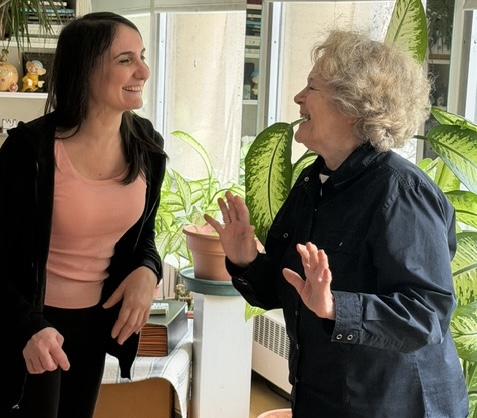
Recently, we had a new client who reluctantly started receiving home care for the first time. Her daughters were more than a little nervous. Their mom sat quietly in her favorite chair while their new caregiver, Kate, tried her best to make conversation.
Medication mistakes are one of the leading causes of preventable hospitalizations among older adults, but many can be avoided with a few simple safeguards.
Consider Mary, an active 84-year-old who managed her own medications. After a routine medication change, she accidentally took her blood pressure medication twice a day for nearly a week.
Every June, the Cohen family faced the same challenge: helping their mother Sarah, who was living with dementia, transition from her winter home in Florida to the family’s summer home in Connecticut. What once felt exciting had become confusing and emotional for her.
Every May, Aging Life Care Month reminds us that aging is a significant life transition that deserves thoughtful planning, coordination, and support. While people are living longer than ever before, longer lives often bring greater complexity for individuals and families alike.
April is Volunteer Month—a perfect time to recognize just how much volunteers mean to older adults across New York City.
Every day, volunteers bring connection, comfort, and practical support to seniors who want to remain independent. Whether it’s a friendly visit, a weekly phone call, delivering a meal, or helping someone get to an appointment, these small acts make a big difference in reducing isolation and building meaningful relationships.
When Ana, a caregiver with Holistic HomeCare Associates, arrived to begin working with her new employer, Nancy, she noticed something many families see over time — a home filled with meaningful belongings that had slowly become harder to navigate.
Nancy had lived in her New York City apartment for decades.
At Holistic HomeCare Associates, client safety isn’t just a protocol—it’s a promise. Every day, our caregivers bring compassion, vigilance, and experience into the homes they serve, ensuring clients feel not only safe, but truly cared for.
This Patient Safety Awareness Month, we’re proud to share wisdom straight from our “boots on the ground” caregivers—those who make safety a lived, daily practice.
March is Social Work Month, and as the founders of Holistic HomeCare Associates, it feels like the perfect time to recognize the incredible contributions of social workers in the field of aging. While our roots at Holistic HomeCare Associates are firmly grounded in nursing, we deeply value the expertise of our social work colleagues.